Level of Preparedness towards Flood Disaster among Emergency Healthcare Workers In Malaysia
Flood Disaster Preparedness in Malaysia
Vol. 21 No. 1 : 2026 (228-243)
Abstract
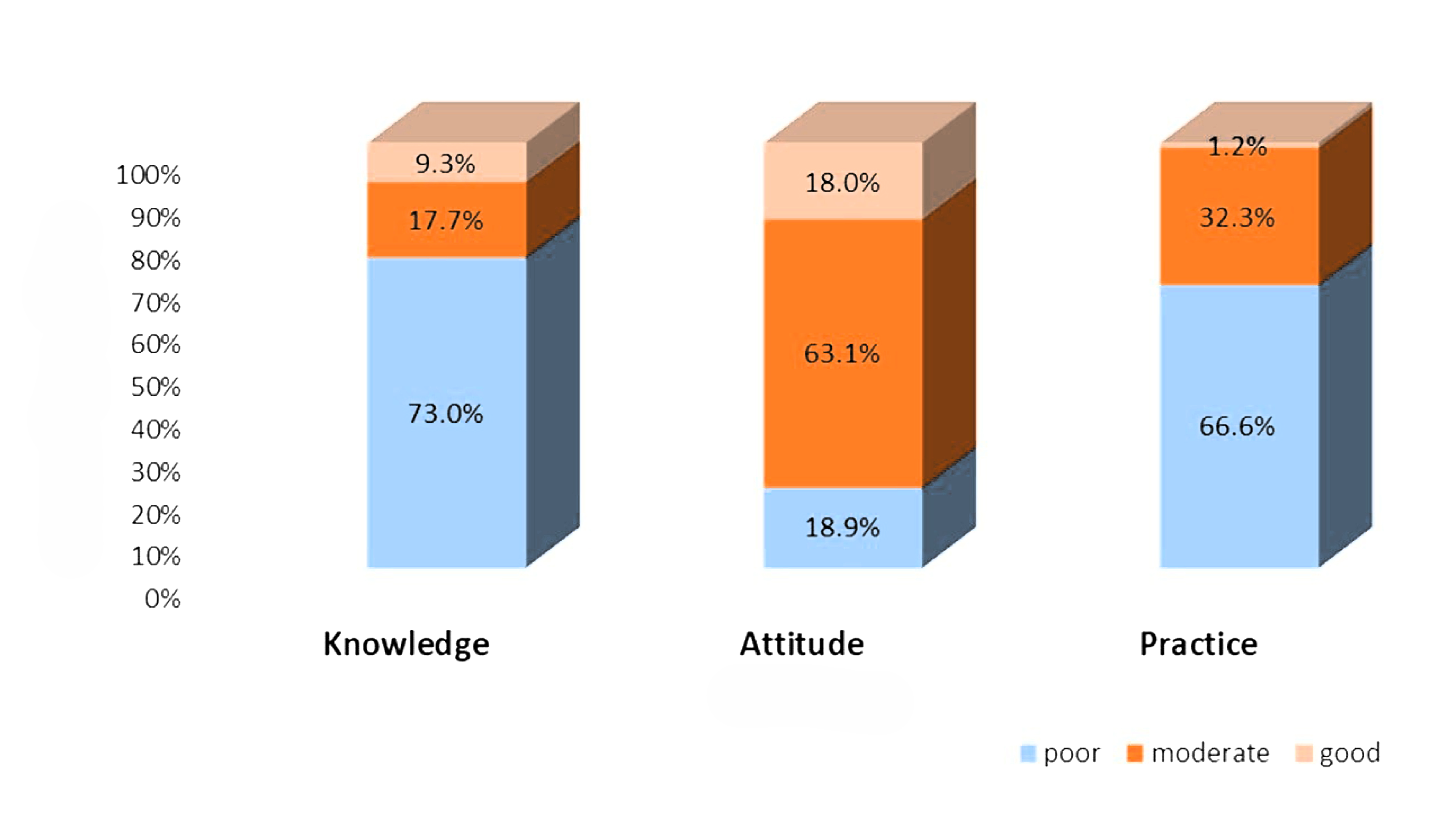
Floods in Malaysia affect 22% of the population and 29,800 km2 of land. Disaster medicine is vital for flood response and directly involves emergency healthcare workers. Preparedness plans should involve both emergency medicine residents and administrative staffs. This study evaluated emergency healthcare workers’ knowledge, attitude and practice (KAP) regarding flood disaster preparedness in Malaysia. This observational cross-sectional study, conducted from January to December 2023, used the validated FloodDMQ-BM 2.0 questionnaire to assess the preparedness of emergency healthcare workers in 25 tertiary government hospitals. The target group were consenting emergency healthcare workers. Of the 496 participants, 434 were included. The sample was nearly balanced (50.5% male, 49.5% female). Most participants had poor knowledge (73%), moderate attitude (63.1%) and poor practice (66.6%) regarding flood preparedness. Multivariate analysis revealed that knowledge was influenced by age and residing state; attitude by age; and practice by gender, experience and involvement in drills. Positive correlations were found between KAP levels. Emergency healthcare workers in Malaysia show inadequate preparedness for flood disasters, with poor knowledge, moderate attitude and poor practice. Factors influencing preparedness include age, gender, residing state and experience. Tailored training is needed to improve healthcare workers’ response capabilities during floods.
Keywords :
Disaster; emergency; healthcare workers,
Correspondance Address
Ahmad Khaldun Ismail. Department of Emergency Medicine, Faculty of Medicine, Universiti Kebangsaan Malaysia, 56000 Cheras, Kuala Lumpur, Malaysia. Tel: +6013 3276273
E-mail: khaldun_ismail@ukm.edu.my